
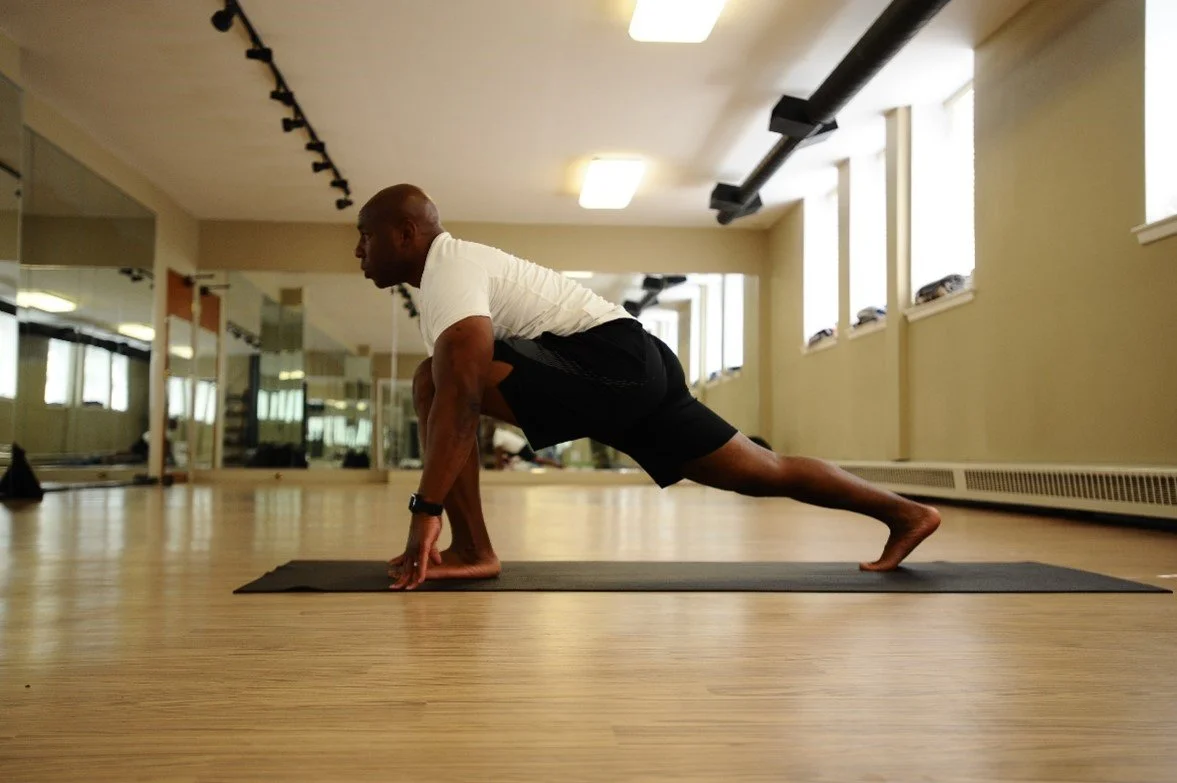
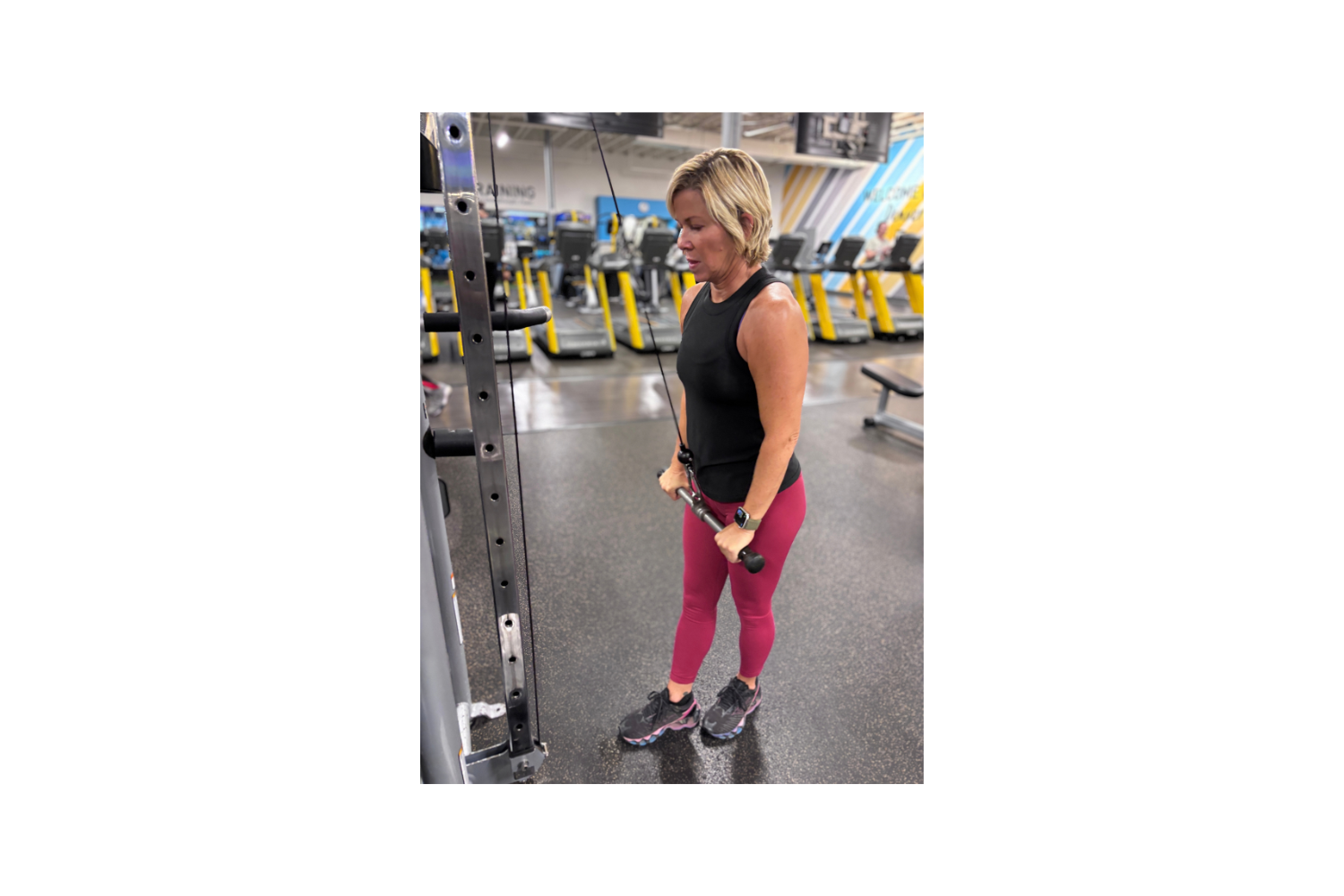
The Best Training Plan for Busy Professionals Is Built for Imperfect Weeks
The best training plan is not the one that works during a perfect week. Learn how structured flexibility helps busy professionals keep progressing when work, travel, and life disrupt the schedule.

You’re Still Performing, But Are You Actually Recovering?
Meeting every deadline does not mean you are recovering. High achievers often mistake continued productivity for resilience while sleep, energy, patience, focus, and training quality quietly slide. Here are five signs stress is accumulating, why pushing harder eventually stops working, and how to build a simple recovery system.
The Physiological Sigh for Stress Management at Work
A demanding workday needs practical recovery habits. Learn the physiological sigh, the body’s fastest toolkit to instantly lower autonomic arousal and reduce stress in real-time. Explore the research, and find simple moments to practice between meetings.

Zone 2 Cardio: The Training Method That Burns Fat and Accelerates Your Recovery
Most professionals train too hard and recover too slowly. Zone 2 cardio is the overlooked training method that burns fat efficiently, supports your nervous system, and accelerates recovery, without adding to your stress load.
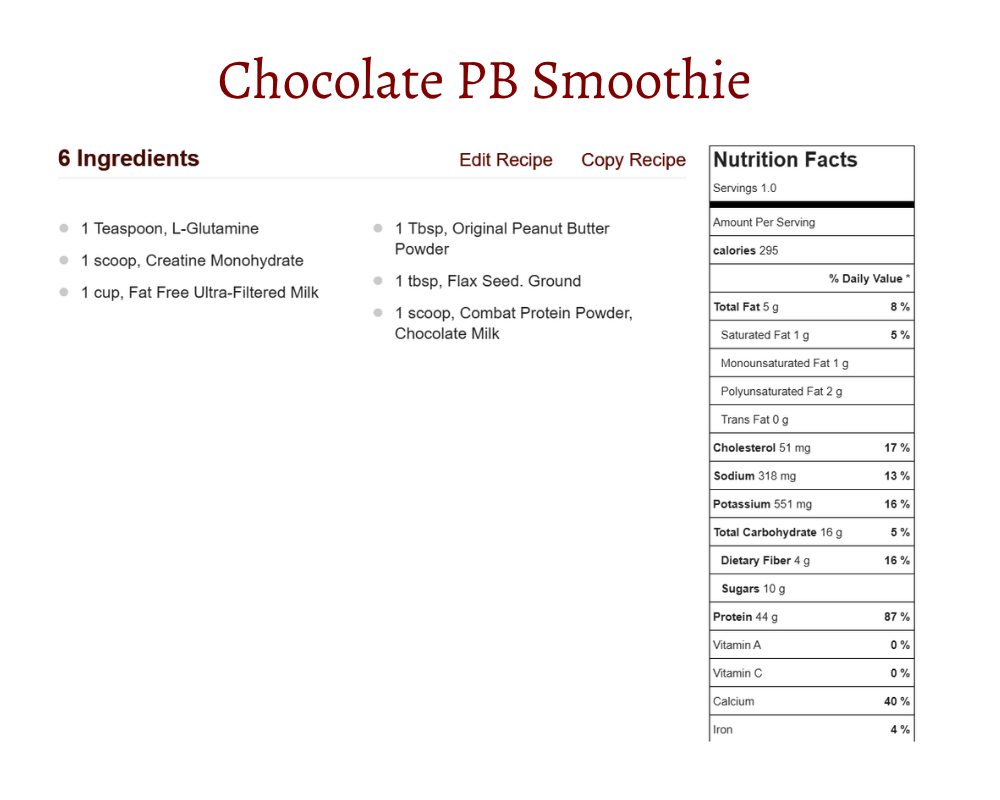
My Go-To Post-Training Recovery Shake (And Why Every Ingredient Earns Its Spot)
What you do in the first 60 minutes after training sets the table for how well you recover and how you perform tomorrow. Here is my exact post-workout shake formula, and the science behind why every ingredient earns its spot.

10 Hydrating Foods That Keep You Sharp All Summer Long
Hydration is more than how much water you drink. These summer foods replenish fluids, sharpen focus, and keep you performing at your best, and most of them are perfect to take to work.
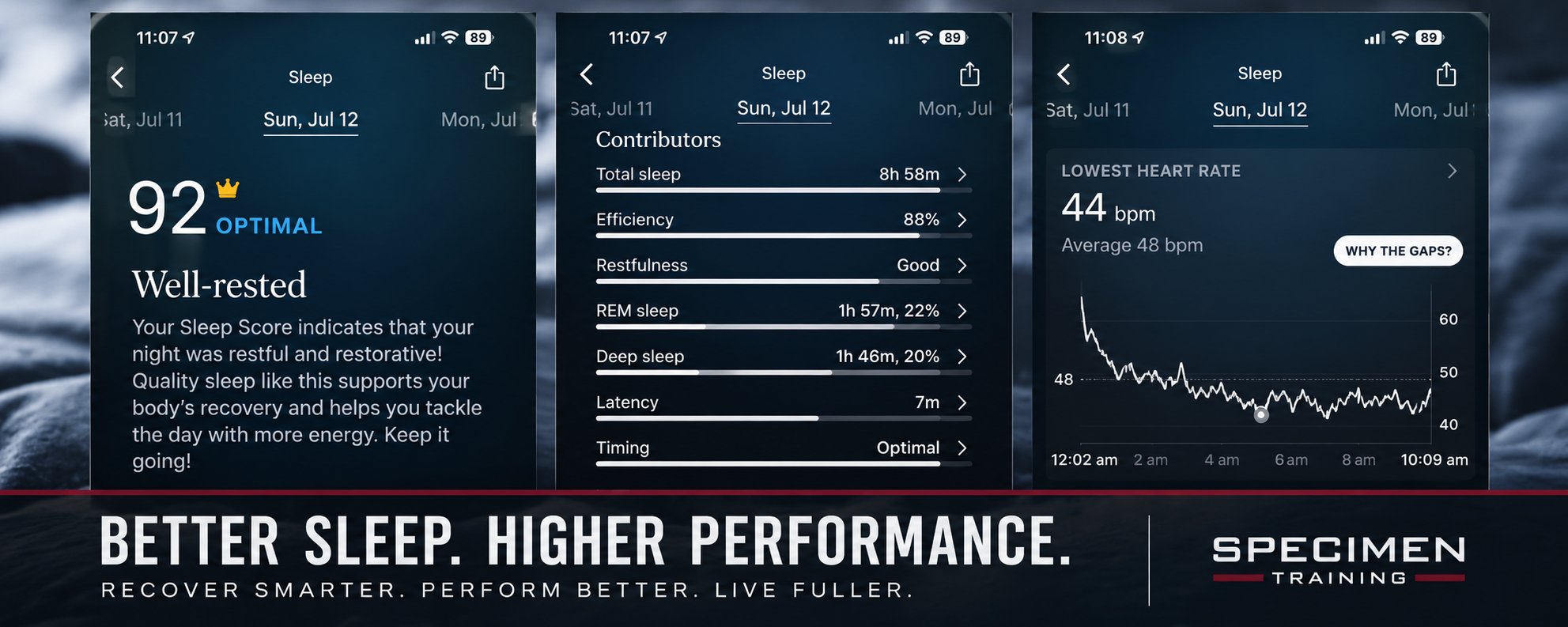
The Hidden Metric Behind Every High Performer: Restorative Time
Most high achievers track their workouts and their calendars, but not how well their body actually recovers. Here is what HRV, resting heart rate, and sleep stages reveal about your restorative time, and why it could be the missing piece in your performance.
The Modern Work Dilemma: Always Connected, Always Stressed
Always connected but never truly present? For high-achieving professionals, the always-on culture is silently draining your energy, relationships, and health. Here's how to take back control.
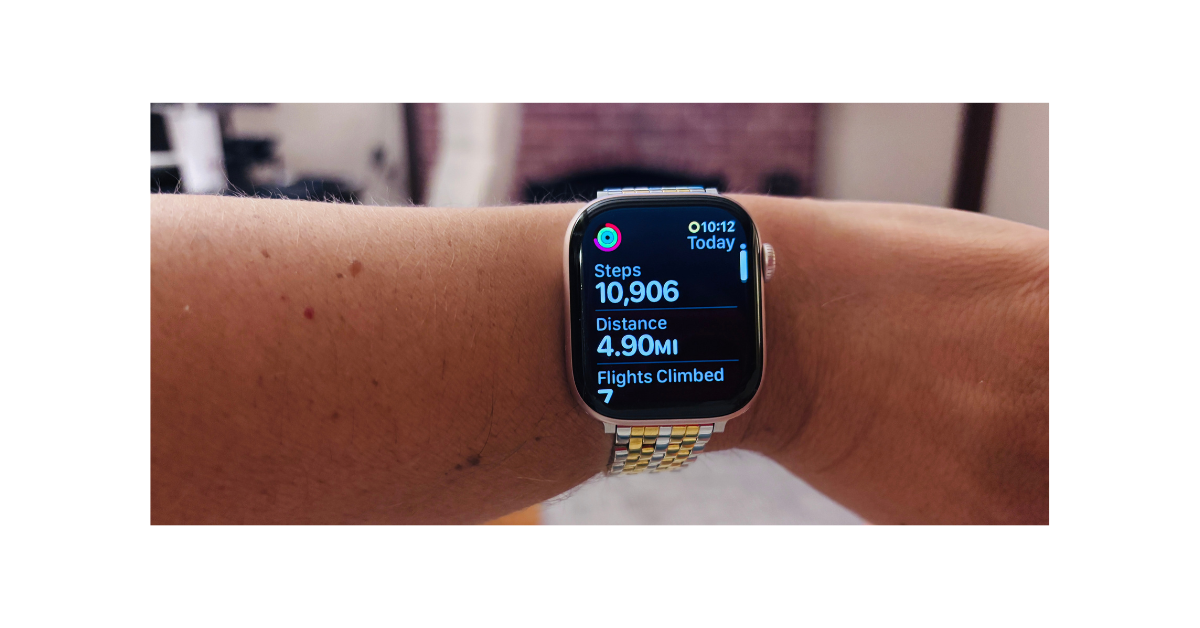
Stop Chasing 10,000 Steps: The Number That Actually Matters for High Performers
The 10,000-step benchmark came from a 1960s marketing campaign, not a research lab. Here's what the science actually says, and the one number that matters more for your energy, focus, and long-term health.

Sitting Is the New Smoking: What Every High Performer Needs to Know
You've optimized nearly every part of your routine, but your chair might be undoing all of it. Here's what prolonged sitting is doing to your performance, and what to do about it.
The Executive Recovery Audit™
Most high achievers track meetings, deadlines, and workouts, but very few measure recovery. The Executive Recovery Audit™ helps you identify what's quietly limiting your performance and gives you a clear starting point for improvement.
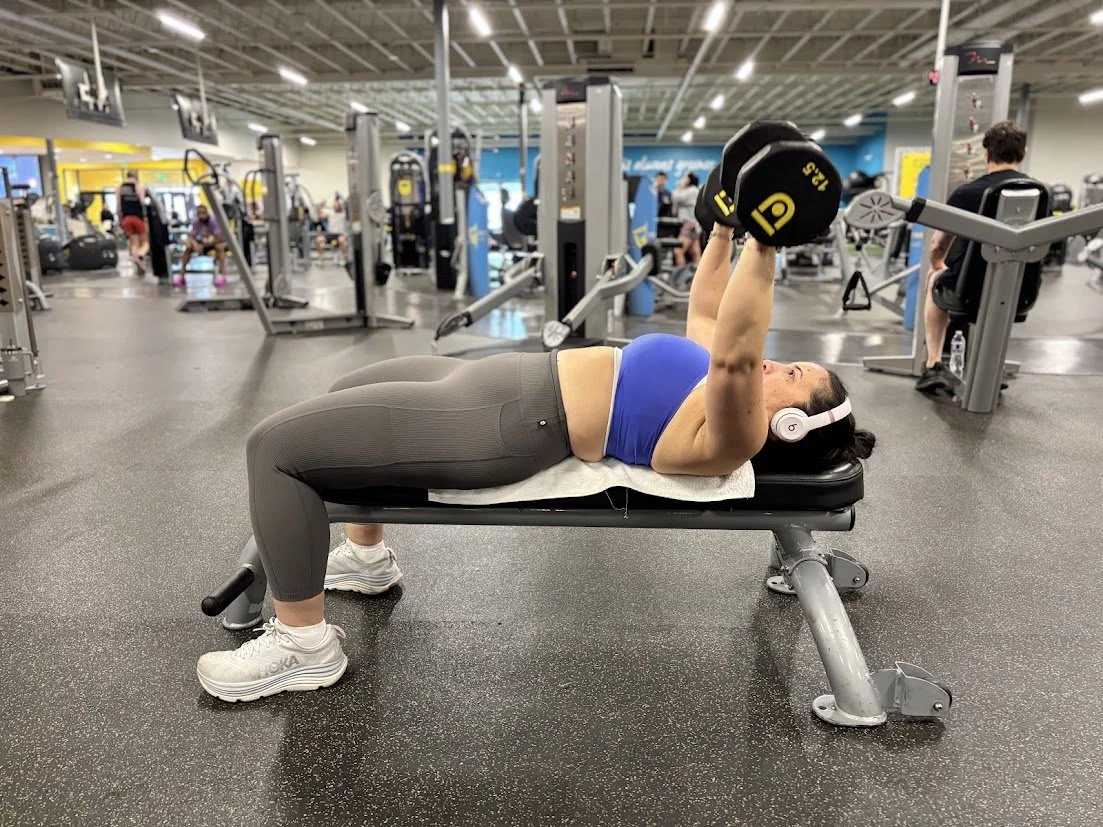
Resistance Training Isn't Optional: What a 117,000-Woman Study Reveals About Your Heart
Cardio is essential, but it isn't the whole story. A landmark study following more than 117,000 women found that regular resistance training was associated with significantly lower cardiovascular disease risk. Here's what the research means and how to apply it to your own training.

The Ultimate Post-Workout Recovery Routine
Your workout doesn't end when you leave the gym. Discover the simple recovery habits that reduce soreness, improve performance, and help your body get stronger and fitter after every training session.
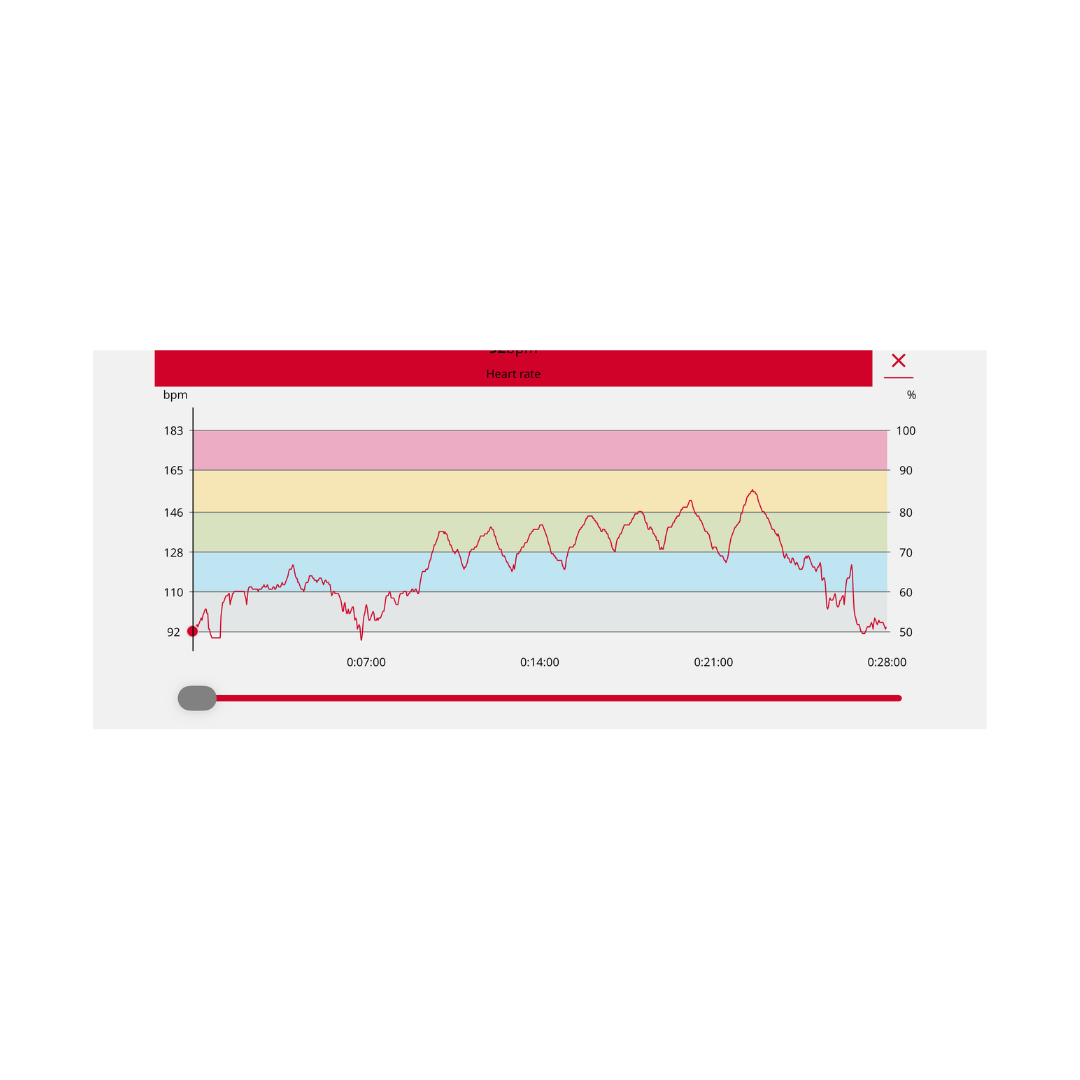
Why Sprint Intervals Might Be the Most Efficient Workout for Busy Professionals
Sprint intervals deliver more than a quick calorie burn. Discover how the afterburn effect, muscle preservation, and improved insulin sensitivity make short, intense training the smartest choice for busy professionals short on time.
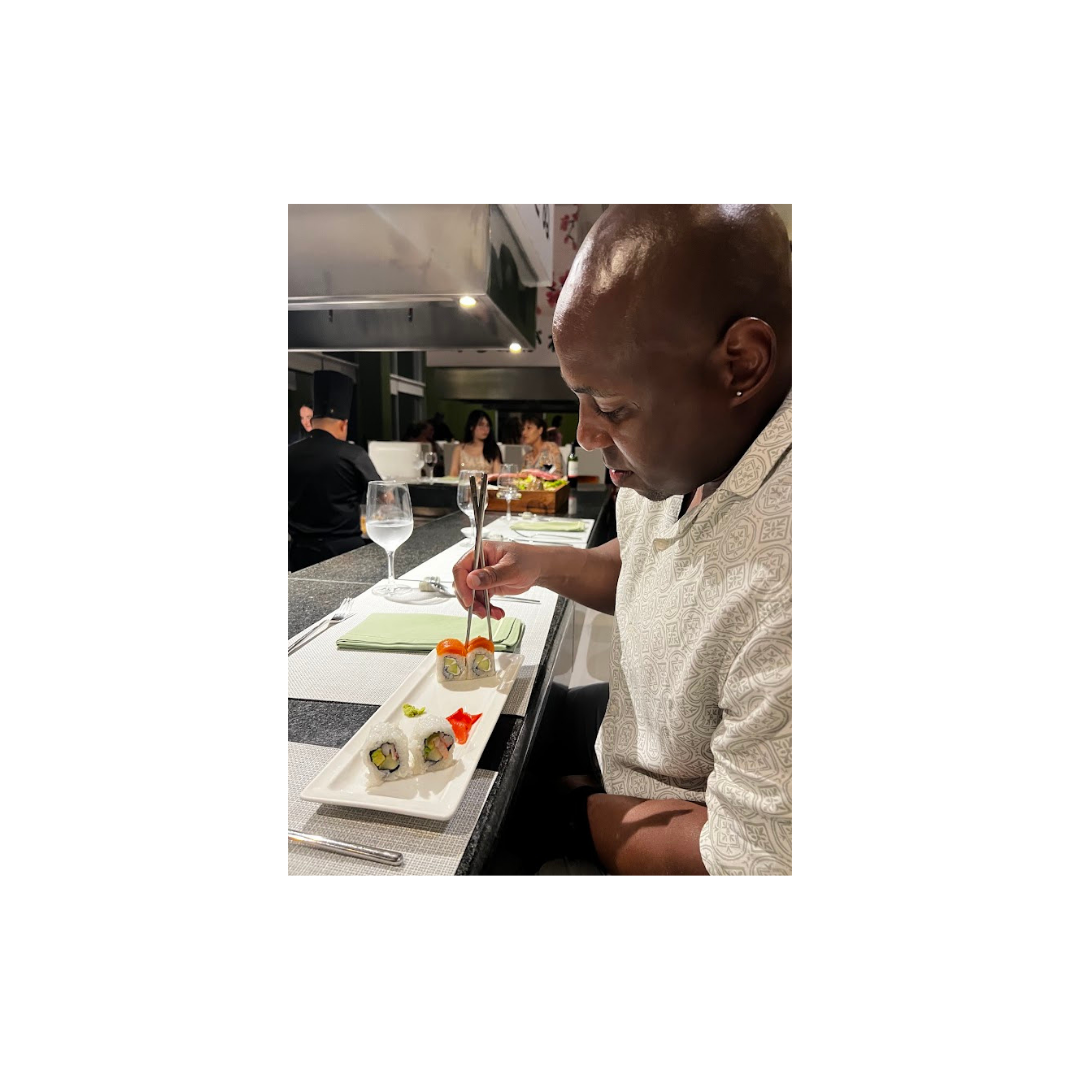
Stress and Nutrition: Why Your Brain Craves Comfort Food During Stress
Ever wonder why stressful days seem to end with unhealthy food choices? It isn't a lack of willpower. Learn how stress changes the way you eat and discover simple habits that help you make better nutrition decisions, even during your busiest weeks.

Why You Should Walk After You Eat
Short on time? A 10-minute post-meal walk delivers big health returns. From blood sugar control to lower blood pressure. Here's what the science says.
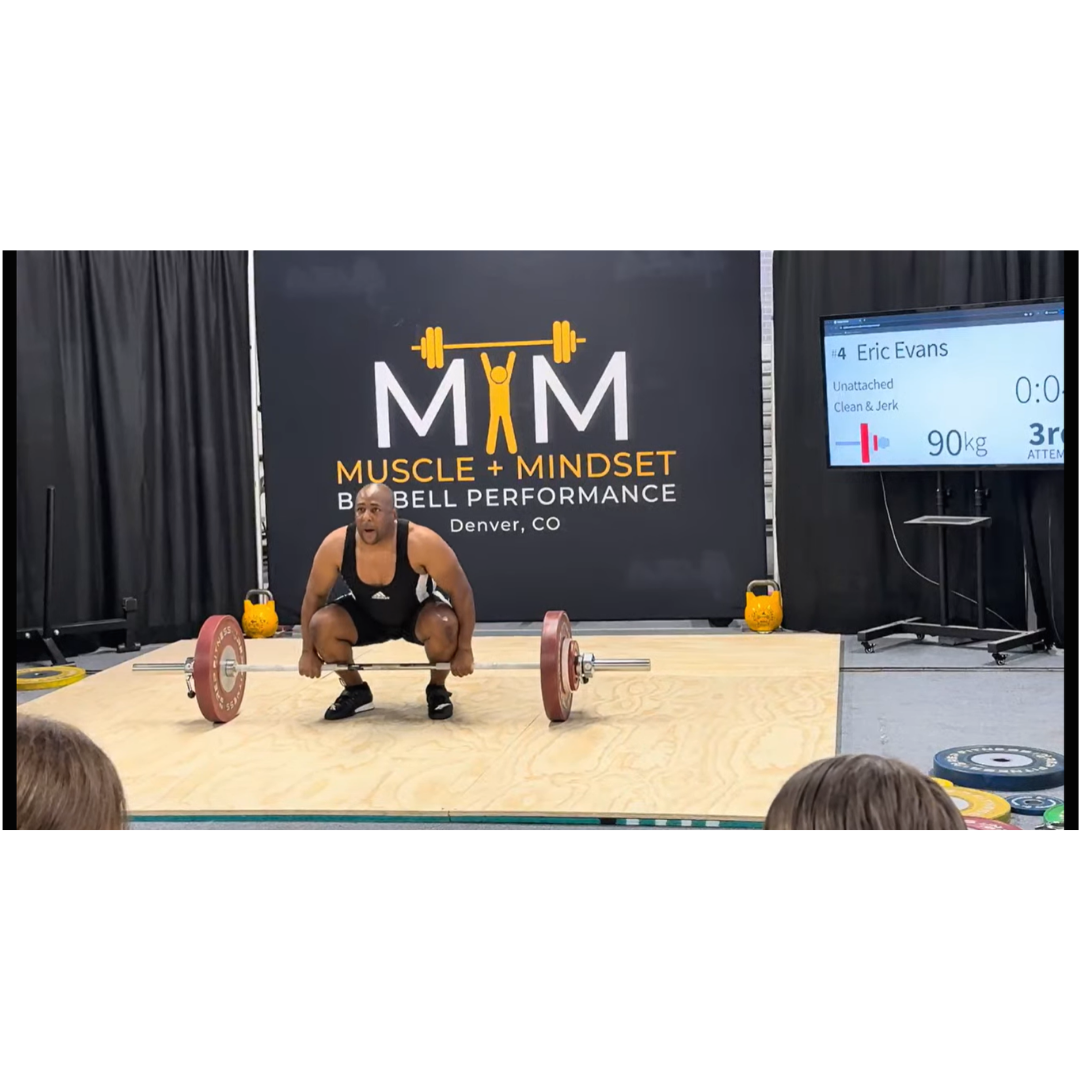
Why Variation Is Essential for Long-Term Fitness Success
Progress isn't about working harder, it's about training with intentional variation. Here's the simple science behind why your program has to change to keep working, and exactly how we build that variation into every cycle.

Cortisol Isn't the Reason You're Stuck: A Reality Check for High Achievers
You've been blaming cortisol for your stalled results. Here's the reality check: it's not the villain you think it is, and the fundamentals still win.
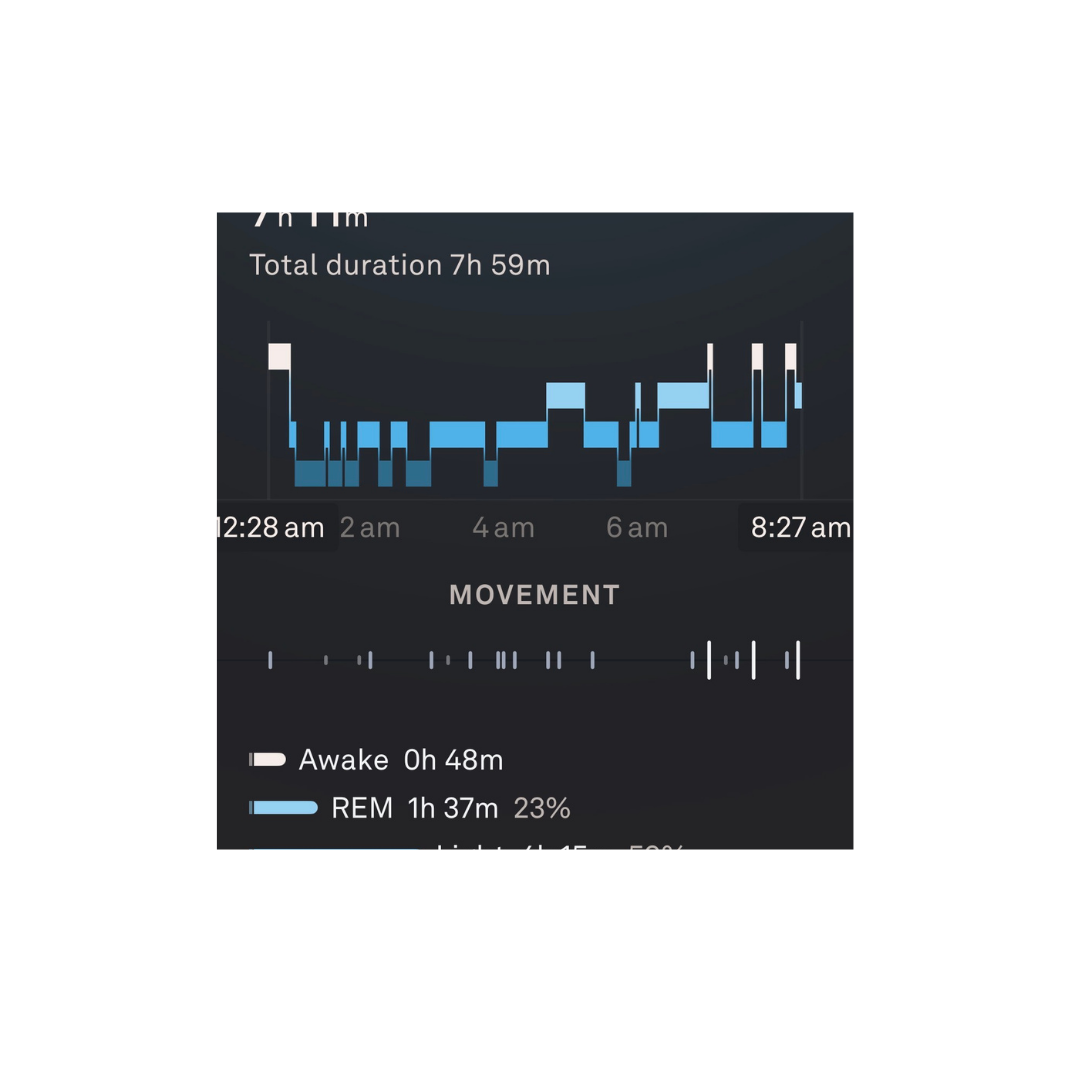
The REM Advantage: Why High Achievers Guard Their Sleep Like a Competitive Edge
The sharpest people in the room are not working harder than you. They are sleeping smarter. Here is what REM sleep actually does for your brain, and how to protect it.
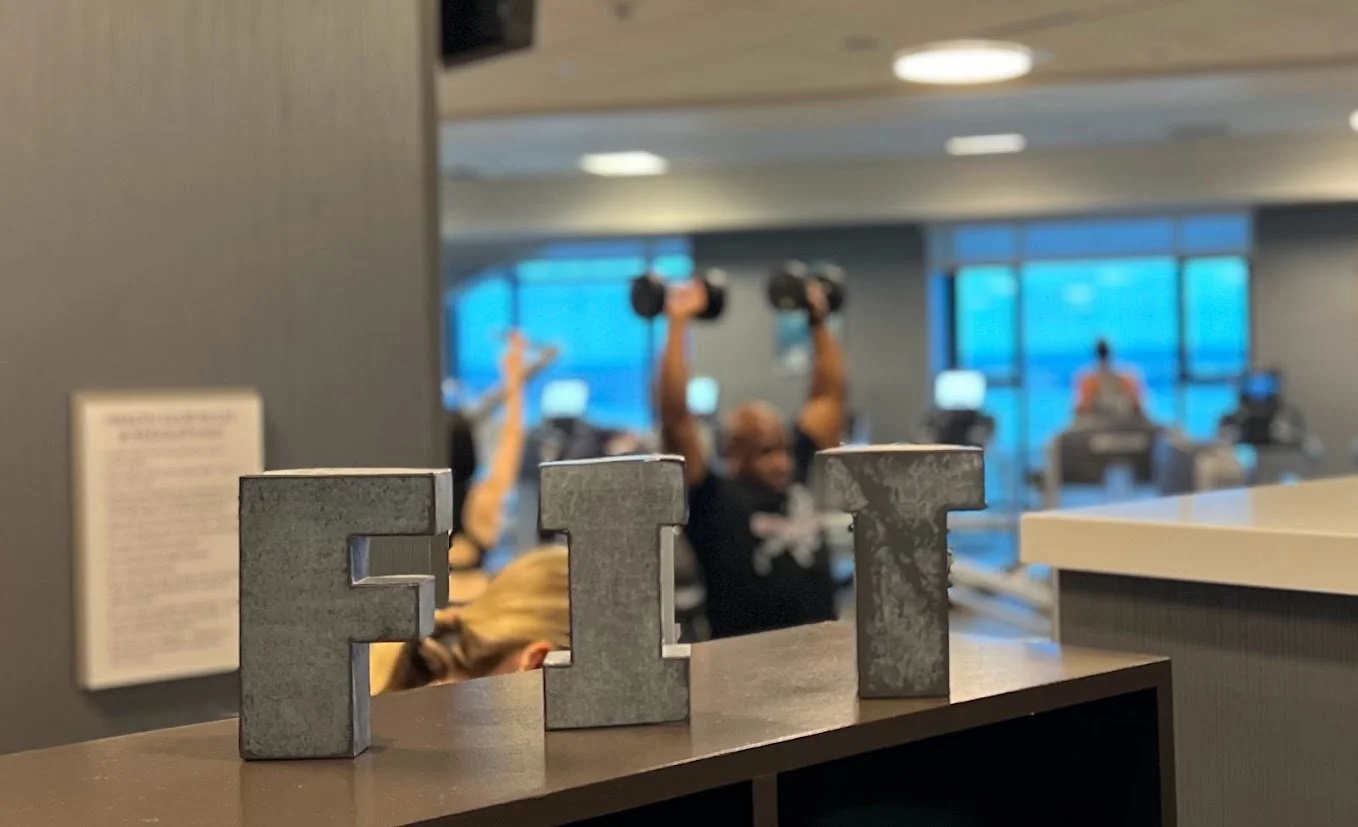
10 Habits of Surprisingly Fit High Achievers (And How to Make Them Effortless)
Ever wonder how the busiest people you know stay in incredible shape? It is not more willpower. It is ten simple habits, and a system that makes them automatic.