The 5-Minute Pose That High Achievers Are Ignoring (And Paying For It)
You have optimized your calendar. You have the right supplements on your nightstand. You track your sleep. You hit the gym when life allows.
But if your nervous system is still running hot at 9 PM, none of that is working as well as it could.
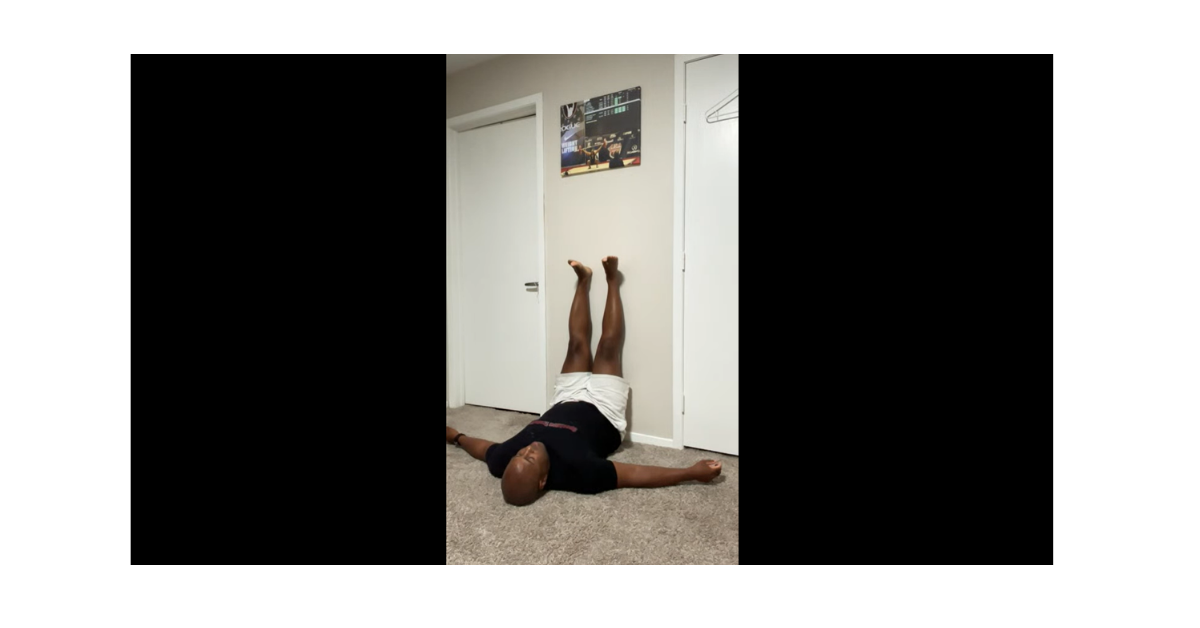
There is a pose used by elite athletes, yogis, and now an increasing number of high-performing professionals that takes five minutes, requires zero equipment, and delivers benefits that your body is genuinely starving for. It is called Viparita Karani, or legs-up-the-wall pose. And if you are an attorney or executive who sits most of the day, this might be the single most underrated recovery tool you are not using.
What Is Legs-Up-the-Wall Pose?
Simple setup. Lie flat on your back, scoot your hips close to a wall, and extend your legs straight up so they rest against it. That's it. No flexibility required. No special gear. You can do it on your office floor, your bedroom carpet, or a yoga mat.
It looks passive. Do not let that fool you.
It Shuts Down Your Fight-or-Flight Response
Here is the core problem for high achievers: your nervous system does not know the difference between a courtroom cross-examination and a lion chasing you. Chronic stress keeps your sympathetic nervous system (the gas pedal) fired up around the clock. Cortisol stays elevated. Your heart rate stays elevated. Your body stays in a state of low-grade emergency.
Legs-up-the-wall activates the parasympathetic nervous system, the brake pedal. The inversion signals to your brain that you are safe, that the threat is gone, and that it is time to recover. Heart rate slows. Breathing deepens. Cortisol starts to drop.
For someone who operates at high intensity for 10 to 14 hours a day, that physiological gear shift is not a luxury. It is maintenance.
It Reduces Stress and Anxiety Without Medication or Meditation Apps
Most stress-reduction advice requires either a significant time commitment or a habit you have to build from scratch. This does not.
Five to ten minutes in this pose has been shown to activate the vagus nerve, the primary highway of the parasympathetic nervous system. Vagal tone is directly linked to your ability to regulate stress, recover emotionally, and make clear decisions under pressure. Higher vagal tone means faster recovery from stressful events and a greater baseline sense of calm.
For executives and attorneys who need to perform under pressure consistently, better vagal tone is a competitive advantage. Not a wellness trend.
It Relieves the Tension Your Desk Job Builds All Day
Sitting compresses your lumbar spine, shortens your hip flexors, and chronically tightens your hamstrings. Over months and years, that tension becomes a dull, permanent ache that you stop noticing because it feels normal. It is not normal.
Legs-up-the-wall gently decompresses the lower back by removing the vertical load on your spine entirely. At the same time, the position provides a passive, sustained stretch through the hamstrings, the same muscle group that pulls on your lower back every time it is tight.
You are not just stretching. You are counteracting the cumulative physical cost of your work environment.
It Improves Circulation and Reduces Lower Body Fatigue
Long days at a desk or in a courtroom mean blood and fluid pool in your lower legs. That is why your feet feel heavy by evening and why swelling around the ankles is so common in sedentary professions.
Elevating your legs above your heart reverses that flow. Venous blood returns to the heart more efficiently. Lymphatic drainage improves. The heaviness in your legs lifts.
This is not a minor comfort benefit. Better circulation means better oxygen delivery, faster muscle recovery, and sharper energy levels in the hours that follow.
It Helps You Sleep When It Counts
Poor sleep is the silent performance killer most high achievers refuse to admit is affecting them. You push through, you rely on caffeine, and you call it discipline. But chronic sleep disruption impairs decision-making, emotional regulation, and memory consolidation at a level that no amount of willpower compensates for.
Done before bed, legs-up-the-wall reduces cortisol, lowers heart rate, and signals to your body that the day is done. It is one of the most effective natural transitions from performance mode to recovery mode. Fifteen minutes on the floor before sleep can be the difference between lying awake replaying the day and actually shutting it down.
How to Add It to Your Day
You do not need a yoga studio. You need a wall and five minutes.
After work: Use it as a decompression ritual between professional mode and personal time. It creates a physical and psychological boundary that most high achievers never build.
Before bed: Pair it with deep nasal breathing for ten counts in, ten counts out. Your nervous system will respond within two to three minutes.
Mid-day reset: If you have a private office or a door that locks, ten minutes at lunch does more for your afternoon performance than scrolling your phone.
Start with five minutes. Work up to ten to fifteen as it becomes part of your routine.
The Bottom Line
You do not need another app, another supplement, or another 5 AM routine. You need to give your body a legitimate chance to recover from the demands you place on it every single day.
Legs-up-the-wall pose is free. It takes five minutes. And for attorneys and executives who operate at the level you do, it addresses the exact physiological consequences of your lifestyle: a dysregulated nervous system, a compressed spine, chronic tension, poor circulation, and disrupted sleep.
The question is not whether this works. The question is whether you will actually do it.
C'mon. Let's chisel.
Stop ending every day wired, stiff, and unable to shut your brain off, and start falling asleep within minutes, waking up recovered, and showing up to your most demanding days with the focus and energy your career (and lifestyle) actually requires. Let's build a plan that works for how you actually live.