How sleep debt quietly weakens judgment, attention, and leadership performance
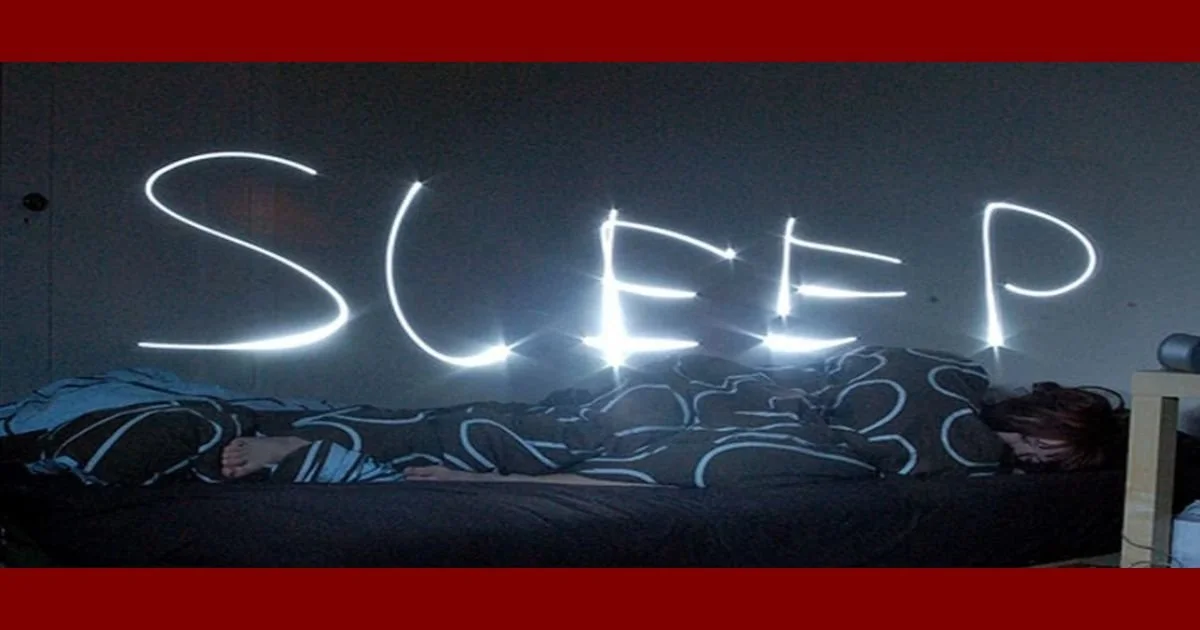
You can arrive early, answer every email, and look completely composed while your decision-making system is running below capacity.
That is what makes sleep debt dangerous for attorneys, executives, founders, and other high achievers. The damage does not always announce itself as exhaustion. It can appear as a missed detail, a shorter temper, slower thinking, a weak negotiation read, or an avoidable decision made with absolute confidence.
Sleep is not simply downtime after the work is finished. It is part of the system that supports attention, working memory, emotional control, learning, and judgment. If your career depends on the quality of your thinking, sleep is a measurable performance asset.
The Twenty Percent Claim Needs Context
You may have seen claims that every night below seven hours reduces next-day decision-making accuracy by 20 to 30 percent. That is a powerful headline, but the research does not support one universal percentage that applies to every person, every task, and every short night.
Sleep loss affects different cognitive abilities in different ways. The size of the effect depends on how much sleep was lost, whether the restriction happened for one night or several, the time of day, the task being measured, and an individual's vulnerability to sleep loss.
The defensible message is still serious: regularly sleeping below your needs can impair the mental functions that high-pressure professionals rely on, and those deficits can accumulate before you fully recognize them.
What the Current Research Shows
Healthy adults are generally advised to sleep at least seven hours per night on a regular basis. That threshold is not a guarantee of peak performance for everyone, but it is a practical minimum supported by the American Academy of Sleep Medicine and the Sleep Research Society.
A 2026 leadership survey reported by Harvard Business Review included 1,009 U.S. managers and executives. Nearly 40 percent said they did not get enough sleep four or more nights per week, while 48 percent believed insufficient sleep had little or no effect on how they lead. Read the Harvard Business Review summary.
That gap between exposure and perceived impact is the real performance problem. Leaders may understand that sleep matters in theory while underestimating how much it is affecting them in practice.
A 2024 systematic review and meta-analysis of 44 studies found that one night of restricted sleep increased subjective sleepiness and impaired sustained attention, producing slower reaction times and more attentional lapses. The analysis did not find significant effects across every cognitive measure, which is an important reminder not to exaggerate the evidence. Review the study on PubMed.
For a professional, sustained attention is not a minor skill. It is what helps you stay present during a long deposition, notice a contradiction in a contract, track a complex meeting, or catch the detail that changes a recommendation.
Why Sleep Debt Is Easy to Underestimate
Sleep debt is the gap between the sleep your body needs and the sleep it receives. One short night may be manageable. Several short nights can create a growing deficit that caffeine and determination temporarily disguise.
In a landmark controlled study, adults assigned four or six hours in bed per night for 14 nights developed cumulative, dose-dependent declines in attention and cognitive performance. The striking finding was not only that performance deteriorated. Participants' subjective sleepiness did not worsen at the same rate. They began to feel as if they were adapting even while objective performance continued to decline. Explore the sleep-restriction findings.
In other words, feeling functional is not the same as performing optimally.
High achievers are especially good at compensating. You can use urgency, stimulants, preparation, and experience to keep producing. Those strategies may preserve output for a while, but they can also hide the cost. The question is not whether you can push through. The question is what pushing through is doing to the quality of your judgment.
Where Sleep Loss Shows Up at Work
Sleep debt rarely sends a calendar invitation. It shows up inside the work itself.
Attention: You reread the same page, miss small inconsistencies, or drift during routine but important tasks.
Working memory: You have more difficulty holding several pieces of information in mind while analyzing a problem.
Emotional regulation: Normal friction feels more threatening, and your response becomes faster or sharper than the situation requires.
Risk evaluation: You may become more impulsive, more conservative, or less consistent depending on the context and your individual response to sleep loss.
Communication: Listening becomes harder, patience narrows, and the space between stimulus and response gets smaller.
For attorneys and executives, these are not abstract wellness outcomes. They influence negotiations, leadership conversations, client service, strategic planning, and the decisions other people depend on.
Measure Sleep Like a Performance Variable
You do not need to become obsessed with a perfect sleep score. You need enough information to see whether your recovery system supports the demands placed on it.
Track the following for seven to fourteen days:
Sleep opportunity: How much time did you give yourself between lights out and your alarm?
Estimated sleep duration: How much of that opportunity did you actually spend asleep?
Consistency: How much did bedtime and wake time vary across the week?
Morning restoration: Did you wake refreshed, or did you immediately need caffeine to feel functional?
Daytime performance: Note energy, focus, irritability, cravings, training quality, and afternoon fatigue.
A wearable can help reveal trends, but it should not be treated as a medical diagnosis or a precise measurement of every sleep stage. Use the data to ask better questions: What happened before my strongest days? Which habits consistently precede poor sleep? How does my judgment feel after three short nights compared with three well-rested nights?
Build a Sleep System That Survives Busy Weeks
The goal is not a flawless evening routine. It is a dependable system that protects enough sleep when work becomes demanding.
Start with a protected sleep opportunity
Work backward from your required wake time and create a realistic window that allows at least seven hours of sleep, plus time to fall asleep. If your schedule repeatedly makes that impossible, the schedule is creating a predictable performance constraint.
Use a work shutdown cue
Before closing the laptop, write tomorrow's first priority, capture unfinished tasks, and decide what truly requires attention tonight. This reduces the mental rehearsal that follows you into bed.
Set a caffeine boundary
Caffeine can improve alertness, but it does not replace sleep. If falling asleep or staying asleep is difficult, move your final serving earlier and evaluate the response over several days.
Protect consistency before perfection
A relatively stable wake time helps anchor your circadian rhythm. Large swings between workdays and weekends can make Monday feel like a time-zone change. Aim for a routine you can repeat, then refine the details.
Treat warning signs as data
Loud snoring, gasping during sleep, persistent insomnia, morning headaches, or significant daytime sleepiness deserve professional evaluation. A polished bedtime routine cannot correct an untreated sleep disorder.
Your Edge Is Judgment
High performers often measure what they can see: revenue, billable hours, completed projects, training volume, and body composition. Sleep is easier to dismiss because its return appears inside other outcomes.
But if sleep supports the attention that catches the error, the emotional control that protects the relationship, and the judgment that improves the decision, then sleep is not separate from performance. It is part of the asset producing it.
Do not wait until exhaustion forces a change. Measure your sleep opportunity, watch the pattern across the week, and protect the recovery that keeps your professional edge sharp.
Not sure where recovery is breaking down? Take the Executive Recovery Audit to evaluate your sleep quality, energy, stress management, evening habits, and morning habits.
C'mon, let's chisel!