Why Sprint Intervals Might Be the Most Efficient Workout for Busy Professionals
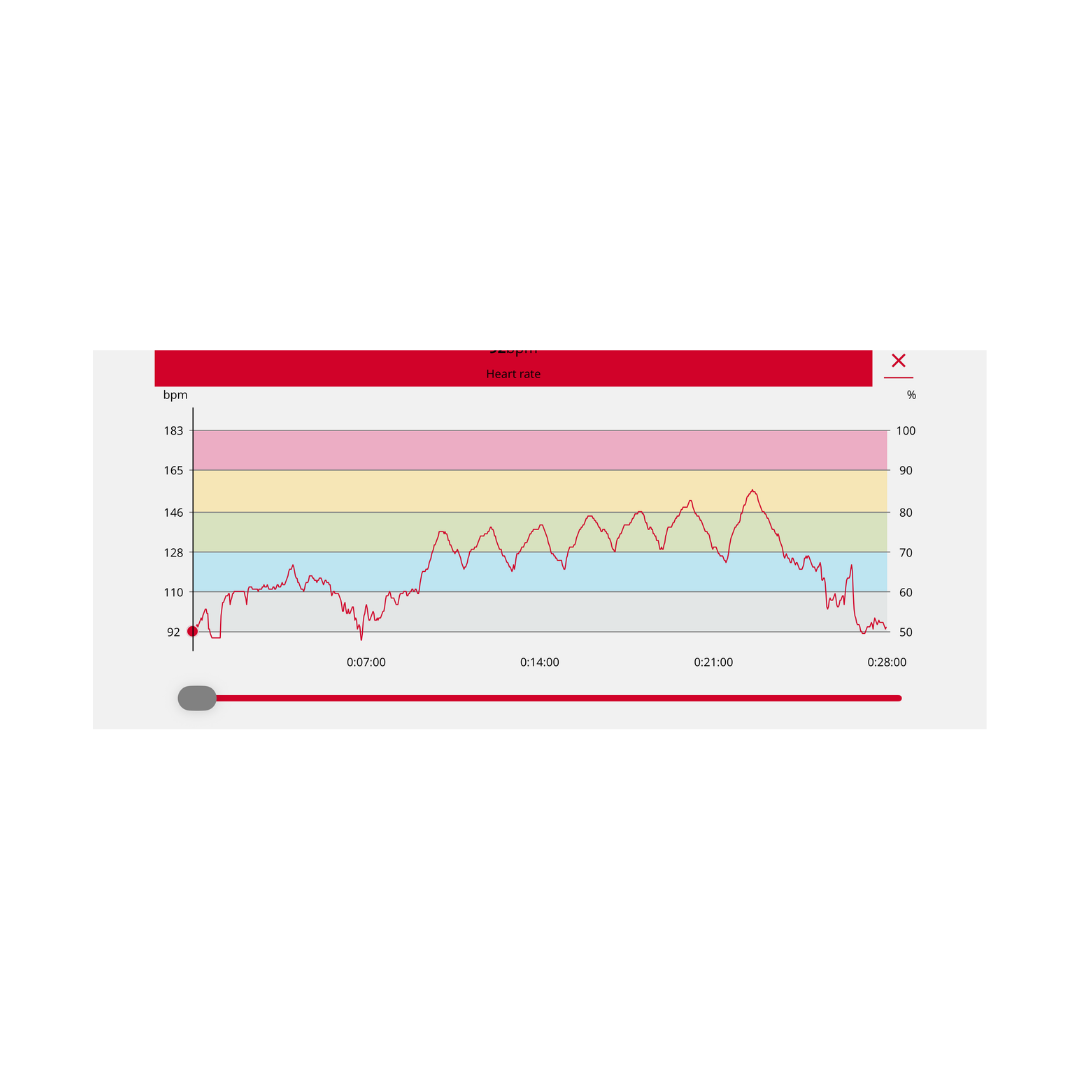
The image is of my workout today - it was a sprint interval workout!
If you only have twenty eight minutes to train today, sprint intervals may give you more return than any other workout you could choose. This is not a trend. It is basic exercise physiology, and it works especially well for attorneys and executives who need results without spending hours in the gym.
I ran a sprint interval session this morning. My heart rate data tells the story better than I could describe it. I started around 92 bpm, worked up through repeated efforts that pushed me into the 140s and eventually the low 150s, and finished with a cool down back down near 92 bpm. The session burned 204 calories in under 30 minutes, with the body pulling from a healthy mix of carbs and fat for fuel. Short, hard, and over quickly. That is the entire point.
Here is what is actually happening in your body during a session like this, and why it matters if you are trying to stay strong, lean, and sharp while managing a demanding career.
Your Body Keeps Burning After You Stop
One of the biggest advantages of sprint intervals is something called excess post exercise oxygen consumption, or EPOC. When you push through an all-out effort, your body does not simply return to baseline the moment you stop moving. It has to repay an oxygen debt, restore energy stores, and repair tissue. That process keeps your metabolism elevated for hours after you leave the gym.
Compare that to a long, steady jog. Steady state cardio burns calories while you are doing it, but the afterburn effect is much smaller. Sprint intervals give you a metabolic boost that continues working in the background while you are back at your desk or in a meeting.
Sprinting Protects Muscle Instead of Breaking It Down
Long duration cardio can sometimes work against your muscle mass, especially if you are already training hard or eating in a calorie deficit. Sprinting is different. It is an explosive, powerful movement that signals your body to hold onto lean muscle rather than burn through it for fuel.
For anyone who has worked hard to build strength, this matters. You get the fat loss benefits of intense cardio without sacrificing the muscle you have built through resistance training.
Glycogen Depletion Improves How Your Body Handles Sugar
During a hard sprint, your muscles burn through glycogen, which is the stored form of carbohydrate inside muscle tissue, very quickly. That rapid depletion sends a strong signal to your muscle cells to become more efficient at absorbing glucose from the bloodstream. Over time, this improves insulin sensitivity.
Better insulin sensitivity means your body handles carbohydrates more efficiently, stores less as fat, and keeps blood sugar more stable throughout the day. For high performing professionals who deal with energy crashes and afternoon fog, this is a meaningful benefit that goes beyond aesthetics.
More Mitochondria Means More Energy
Mitochondria are the structures inside your cells responsible for producing energy. Sprint training forces your body to adapt at the cellular level by building more of them, a process known as mitochondrial biogenesis. More mitochondria means your muscles become better at producing aerobic energy, which translates to more stamina and less fatigue in everyday life, not just in the gym.
Full Body Power and a Stronger Nervous System
Every sprint demands total effort. That kind of intensity recruits fast twitch muscle fibers, the fibers responsible for speed, power, and explosive strength. It also trains your central nervous system to fire more efficiently, which improves coordination, speed, and overall athletic capability.
For attorneys and executives who spend most of the day sitting and thinking, this is a chance to reconnect with real physical power. It carries over into everything from carrying groceries to keeping up with your kids to feeling confident and capable in your own body.
The Bottom Line
Sprint intervals are not about grinding out more hours. They are about maximizing a short, focused effort so your body keeps working long after the session ends. Better fat loss, preserved muscle, improved insulin sensitivity, more efficient energy production, and greater total body power, all in a fraction of the time a traditional workout demands.
If your schedule does not allow for long training sessions, this is exactly the kind of work that fits into a life built around performance and efficiency.
Keep Learning with In the Lab
Every week we break down the science of fitness, nutrition, recovery, and performance into practical strategies busy professionals can actually use. No fads, no gimmicks, just evidence-based insights that help you feel better, perform better, and improve your quality of life.
Join the In the Lab community and get each new article delivered straight to your inbox.