The Ultimate Post-Workout Recovery Routine
How to Recover Faster, Reduce Soreness, and Be Ready for Your Next Workout
You just finished a great workout. Your heart rate is elevated, you're sweaty, and you're feeling accomplished. The temptation is to grab your keys, head home, and move on with your day.
But what you do during the next few hours can have a meaningful impact on how you recover, how sore you feel tomorrow, and how prepared your body is for your next training session.
Recovery is not just about feeling better. It is where your body repairs muscle tissue, replenishes energy stores, restores hydration, and adapts to the stress you just placed on it. In other words, the workout is the stimulus. Recovery is where the results happen.
Think of your workout as placing an order with your body. Recovery is when your body fills that order. The quality of your recovery largely determines how much benefit you receive from the work you just put in.
Here is a simple, science-backed post-workout recovery routine that anyone can follow, whether you're lifting weights, running, playing pickleball, build your best body, or simply trying to stay active.
Cool Down Before You Walk Away
One of the biggest mistakes people make is ending a hard workout abruptly.
Instead, spend 5 to 10 minutes gradually bringing your heart rate back down with light movement. Walk around the gym, pedal easily on a stationary bike, or perform gentle mobility exercises (a cool-down stretch). This transition helps your cardiovascular system return to its resting state more comfortably and prepares your body for recovery.
Why it works: Light movement keeps blood circulating through your muscles, helping deliver oxygen and nutrients while beginning the removal of metabolic byproducts that build up during exercise. It's a smoother transition than stopping abruptly and can leave you feeling less stiff afterward.
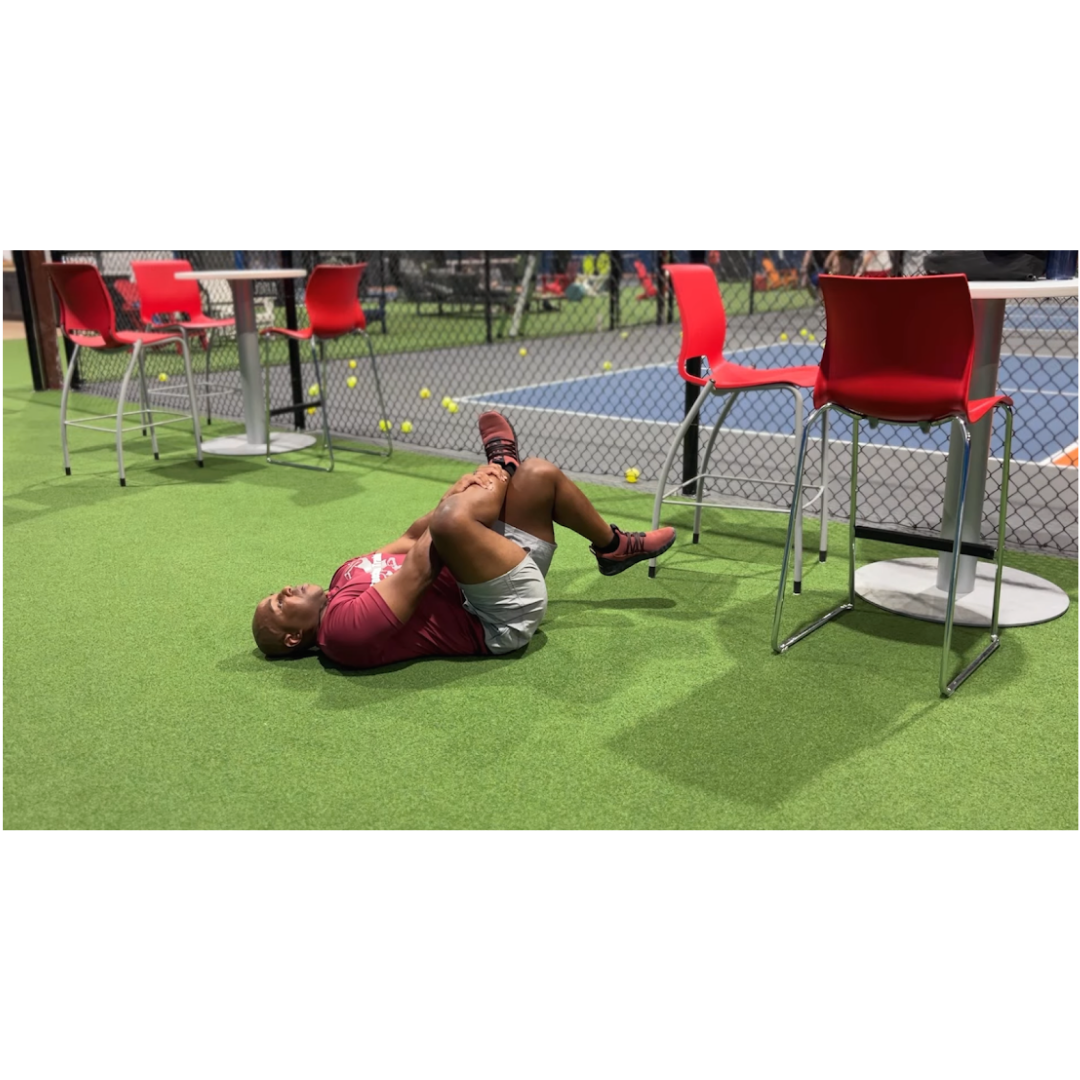
Once you've cooled down, spend a few minutes stretching the muscles you trained. Here’s a 5-minute cool-down stretch for your lower body (perfect for leg day)
Focus on areas that feel especially tight or fatigued. You do not need an elaborate flexibility routine. Even five minutes of quality stretching can improve range of motion, reduce stiffness, and leave you feeling better when you wake up the next morning.
Slow Your Breathing and Reset Your Nervous System
Exercise naturally activates your sympathetic nervous system, often called the "fight or flight" response.
Recovery begins when you shift into the parasympathetic state, often referred to as "rest and digest."
One of the fastest ways to make that transition is through controlled breathing.
Try this simple breathing exercise for three to five minutes:
Inhale through your nose for four seconds.
Hold your breath for four seconds.
Exhale slowly through your nose for four seconds.
Hold again for four seconds.
This technique, commonly known as box breathing, can lower your heart rate, reduce stress hormones, and help your body begin the recovery process more efficiently.
Why it works: Your nervous system has two gears: one prepares you to perform, the other helps you recover. Controlled breathing signals your body to shift into recovery mode, lowering your heart rate and allowing your body to begin repairing the stress created during your workout.
Rehydrate What You Lost
Sweat does more than cool your body. It also causes you to lose water and electrolytes that are essential for muscle function and performance.
If your workout was especially long, intense, or performed in hot weather, simply replacing water may not be enough. Including electrolytes can help restore fluid balance more effectively.
A good rule of thumb is simple:
Drink water immediately after your workout, then continue hydrating consistently throughout the rest of the day. Waiting until you feel thirsty often means you're already behind.
Why it works: Water is involved in virtually every metabolic process in your body. Staying hydrated supports circulation, nutrient delivery, temperature regulation, and normal muscle function, all of which are essential for efficient recovery.
Eat to Recover, Not Just to Refuel
One of the biggest myths in fitness is that you have to consume protein within a tiny "anabolic window" or you'll lose your results.
Fortunately, the science is much more forgiving.
Your muscles are especially receptive to nutrients after training, but you generally have a few hours to consume a quality meal without sacrificing recovery. What matters most is meeting your total daily protein and calorie needs consistently.
Aim for a meal that includes:
Lean protein to support muscle repair.
High-quality carbohydrates to replenish glycogen stores.
Colorful fruits and vegetables for vitamins, minerals, and antioxidants.
Healthy fats to support overall health.
If you cannot eat a full meal right away, a simple snack containing both protein and carbohydrates is an excellent bridge until your next meal (ex: a protein shake and a banana - this is my go-to)!
Why it works: Resistance training creates microscopic damage to muscle fibers, which is exactly what stimulates adaptation. Protein supplies the amino acids needed to rebuild those fibers, while carbohydrates replenish glycogen, your muscles' primary fuel source for future workouts.
Keep Moving Throughout the Day
Many people finish a workout only to spend the next eight hours sitting at a desk.
Unfortunately, prolonged sitting can slow circulation and leave muscles feeling even stiffer.
You do not need another workout. You simply need more movement.
Take short walking breaks, stand up every hour, stretch your hips and shoulders, or climb a few flights of stairs.
Think of movement as active recovery. It helps deliver oxygen and nutrients to recovering muscles while reducing stiffness that often develops after intense exercise.
Why it works: Gentle movement keeps blood flowing without placing additional stress on your body. That increased circulation helps reduce stiffness and delivers nutrients that support the recovery process.
Support Recovery with Smart Supplementation
Supplements should never replace quality nutrition, but a few evidence-based options may support recovery and performance.
Some of the most well-researched include:
Creatine monohydrate
Beta-alanine
L-glutamine
These supplements have consistently demonstrated benefits for strength, power output, and training performance when paired with a well-designed exercise program.
Why it works: Creatine increases the amount of rapidly available energy stored in your muscles, allowing you to train harder over time. Beta-alanine helps buffer the acid that accumulates during high-intensity exercise. L-glutamine is vital for recovery because it is the most abundant amino acid in your body, primarily stored in your muscle. It helps replenish depleted reserves, rapidly accelerating healing and physical bounce-back.
Before adding any supplement, make sure it aligns with your individual goals and consult your healthcare provider if you have any medical conditions or take prescription medications.
Prioritize Sleep Above Everything Else
If there is one recovery strategy that outperforms all the others, it is sleep.
During deep sleep, your body repairs damaged tissue, releases growth hormone, restores your nervous system, strengthens immune function, and consolidates motor learning from your workout.
In many ways, sleep is the ultimate recovery tool.
Why it works: Deep sleep is when much of your body's repair work takes place. Growth hormone release increases, damaged tissues begin rebuilding, and your brain consolidates new movement patterns learned during training. In many ways, sleep is when your workout finally pays off.
Aim for seven to nine hours of quality sleep each night. If you're training intensely or participating in competitive sports, your recovery demands may be even greater.
No recovery shake or supplement can compensate for consistently poor sleep.
Recovery Is Part of Training
Most people judge their progress by how hard they train.
Experienced athletes understand that progress depends just as much on how well they recover.
Cooling down, stretching, hydrating, eating well, moving throughout the day, and prioritizing sleep may seem like small habits individually.
Together, these habits improve your body's ability to adapt to training. Every workout creates stress. Every recovery habit helps your body respond to that stress by becoming stronger, more resilient, and better prepared for the next challenge.
The next time you finish a workout, remember that your session isn't over when you rack the weights or leave the court.
It's just entering the phase where your body turns hard work into results.
Continue Learning with In the Lab
If you enjoy practical, science-backed articles like this one, subscribe to In the Lab, our free weekly newsletter. Each edition delivers actionable strategies on fitness, nutrition, recovery, and performance to help you train smarter and live healthier.