Why You Should Walk After You Eat
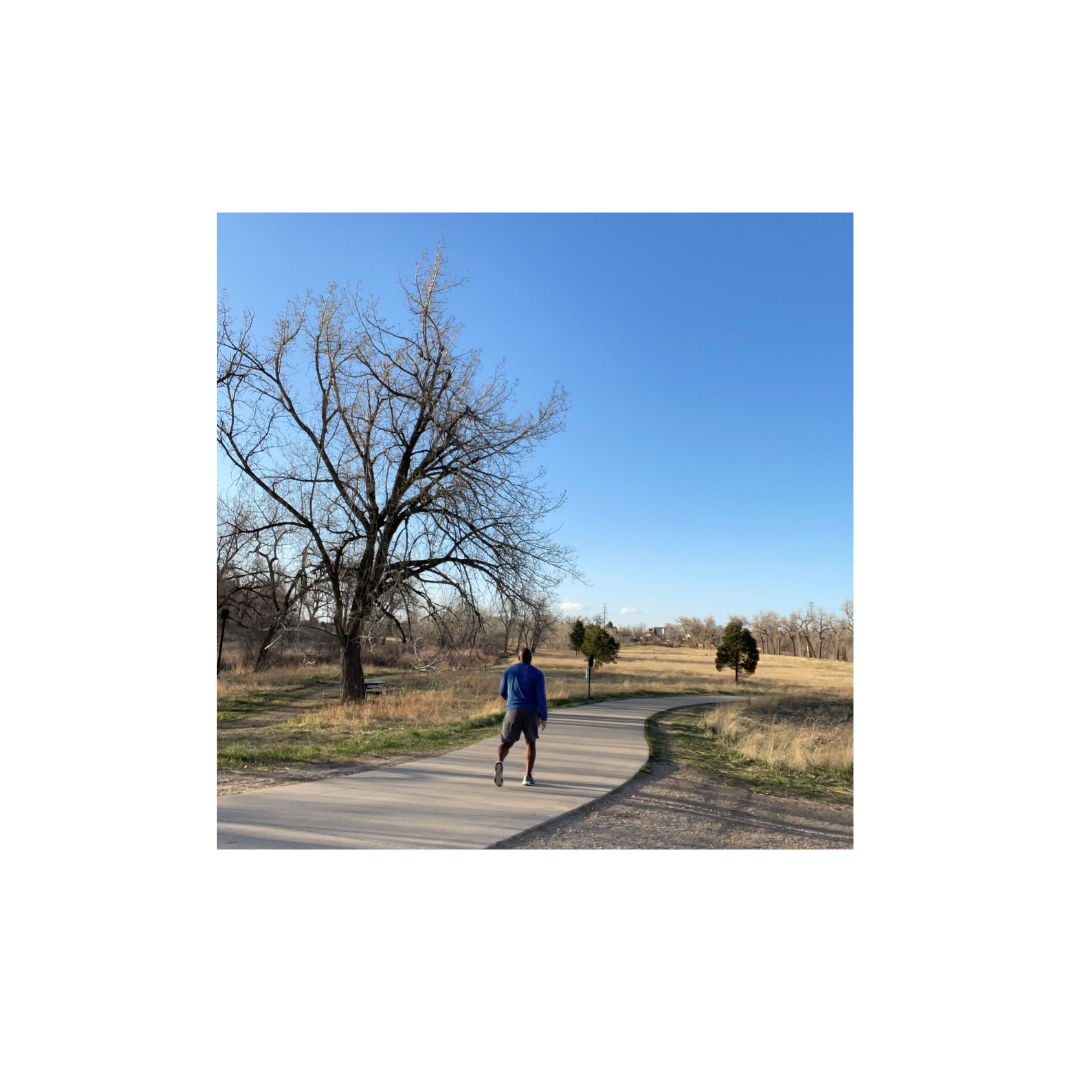
We all know exercise is associated with countless health benefits — and the science backs this up time and time again. Walking has become a growing fitness trend with real, measurable potential. As we move into the warmer seasons, there's no better time to explore what a simple post-meal walk can do for your health. Let's dive in.
Potential Benefits
Benefit #1: Improved Digestion
Going for a walk after eating may improve digestion. Movement promotes stimulation of the stomach and intestines, causing food to move through more rapidly. There is also strong speculation that light-to-moderate activity after eating helps protect the gastrointestinal (GI) tract. This ever-growing trend has been shown to help prevent conditions like peptic ulcers, heartburn, IBS, and diverticular disease.
Benefit #2: Improved Blood Sugar Management
Walking after eating improves blood sugar levels — and while it may be most impactful for people with type 1 or type 2 diabetes, it benefits everyone. Minimizing blood sugar spikes helps regulate insulin and may reduce medication requirements over time.
A 2016 study found that in people with type 2 diabetes, a light 10-minute walk after each meal was more effective for blood sugar management than a single 30-minute walk at any one time. Numerous studies also suggest that several small bouts of exercise throughout the day may be superior to one continuous session for lowering blood triglycerides — a key risk factor for heart disease.
Benefit #3: May Promote Weight Loss
The ACSM and CDC both recommend 30 minutes of moderate-intensity aerobic exercise at least 5 days per week. By simply adding a 10-minute brisk walk after every meal, you'll easily meet that recommendation. If weight loss is your goal, these walks become even more powerful — increasing your total daily energy expenditure and supporting the calorie deficit required to lose fat.
💡 Fun Fitness Fact: For decades, physical activity has been linked to heart health and overall longevity. Three 10-minute walks spread across the day delivers the same cardiovascular benefit as one 30-minute continuous session — and may actually be superior for metabolic health.
Benefit #4: Complements Building Muscle Mass
If you're incorporating regular lifting into your fitness routine, you're likely in a positive caloric balance — consuming more calories than you're expending. This naturally leads your body into a hypertrophy phase: increased muscle tone, muscle size, and fat-free mass. A 10-minute walk after meals can reduce the likelihood of excess fat accumulation during this phase, helping you retain the lean mass you've worked hard to build.
Benefit #5: May Help Regulate Blood Pressure
Almost half of adults in the U.S. have high blood pressure (hypertension). What many don't realize is that chronic stress compounds this risk — and what you eat plays a direct role in your body's stress response. Want to take it one step further? Read our article on Stress and Nutrition to learn how everyday food choices can influence your body's response to stress, recovery, and overall health.
Several studies have found that 3 daily 10-minute walks are associated with meaningfully reduced blood pressure levels — and multiple shorter sessions appear more effective than one continuous session for lowering BP. One study in sedentary individuals found that starting a walking program can reduce systolic blood pressure by as much as 13%. Post-meal walking may be one of the most accessible, cost-free tools for managing hypertension while stacking the other benefits we've
Your Take-Aways
A simple walk after meals delivers a surprisingly broad range of benefits: improved digestion, better blood sugar control, heart health support, weight management, a complement to your strength training, and a meaningful reduction in blood pressure. It's low-cost, accessible, and fits into nearly any schedule. Walk into better health — one meal at a time.
Want more tips like this?
Sign up for our In The Lab newsletter to get training tips, program offers, and expert guidance on how to Go Beyond Your Limits.