The Physiological Sigh for Stress Management at Work
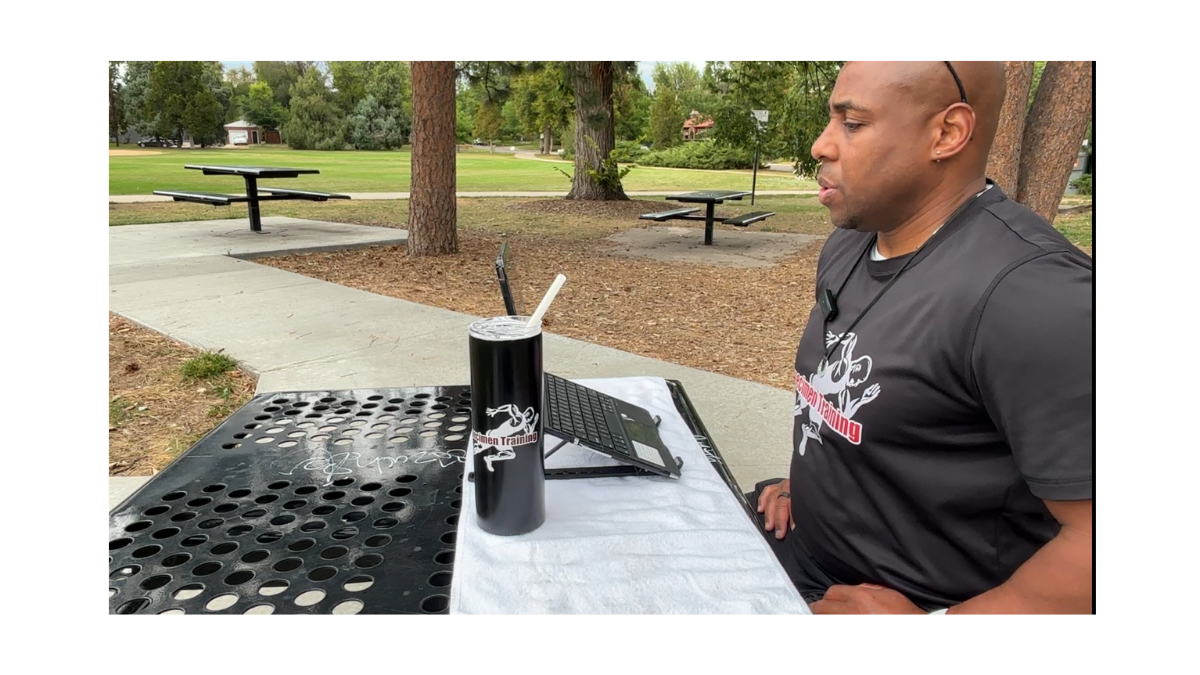
Your next meeting starts in two minutes. The last one ran long, an urgent email just landed, and you can feel yourself rushing before the conversation even begins.
For attorneys, executives, founders, and business owners, moments like this are part of the job. Having a simple way to pause before the next demand can help you approach the workday more deliberately.
The physiological sigh is a breathing technique built around two inhales followed by a slow, extended exhale. It takes only a few moments to try, requires no equipment, and can become a practical part of your stress management routine.
The goal is to give yourself a brief opportunity to settle, notice how you feel, and choose your next action.
What Is a Physiological Sigh
The physiological sigh is the body's fastest toolkit to instantly lower autonomic arousal and reduce stress in real-time. It combines a comfortable inhale, a smaller second inhale, and a long exhale. Think of it as one breath with a small top-off before you breathe out.
Repeating this pattern as a breathing exercise is called cyclic sighing. That distinction matters: trying one sigh between meetings is different from the sustained daily practice tested in research.
You can start with one gentle cycle to learn the technique. If it feels comfortable, you can explore a short practice when you have a quiet moment.
How to Do the Physiological Sigh
Sit comfortably and let your shoulders relax. Keep the breathing easy rather than trying to pull in the largest possible breath.
1. Inhale through your nose. Take a comfortable, unforced breath.
2. Take a smaller second inhale through your nose. Add a gentle top-off before exhaling.
3. Exhale slowly through your mouth. Let the exhale last longer than the combined inhales, without straining or pushing all the air out.
4. Return to normal breathing. Notice whether you feel more settled before deciding to repeat.
Remember the pattern: inhale, small top-off, slow exhale.
There is no need to hold your breath or chase an exact number of seconds. Start seated, and stop if you become dizzy, breathless, or uncomfortable. If you have a heart or lung condition, ask your clinician whether this exercise is appropriate for you.
What the Research Actually Shows
A 2023 randomized study published in Cell Reports Medicine compared three structured breathing exercises with mindfulness meditation. Participants practiced for five minutes daily over about a month.
Exhale-focused cyclic sighing showed particular promise, with greater improvement in positive mood and a larger reduction in respiratory rate than mindfulness meditation. Anxiety also decreased across the groups. Read the study.
The useful takeaway is that a brief daily breathing practice may support mood and help reduce physiological arousal, the body's level of activation. The study does not establish that one sigh instantly lowers cortisol, prevents burnout, or improves negotiation performance.
It also does not mean breathing exercises are universally better than meditation. This was a specific comparison of short practices, and responses can vary.
Why the Long Exhale Matters
The extended exhale is a defining feature of cyclic sighing. It gives the exercise a deliberate rhythm and encourages you to spend more time breathing out rather than rushing into the next inhale.
The autonomic nervous system regulates functions such as breathing and heart rate without requiring constant conscious attention. Breathing is unusual because you can also influence it voluntarily. That makes it an accessible starting point for a calming practice.
Researchers describe exhale-focused breathing as a promising way to influence physiological arousal, although the precise mechanisms behind its benefits need further study. See the Stanford research summary.
For your workday, the practical question is straightforward: does this comfortable breathing pattern help you feel ready for what comes next?
Where It Fits in a High Pressure Workday
Before a Demanding Conversation
Before you join a difficult client call, presentation, or negotiation, try one gentle sigh. Return to normal breathing, then identify the point you most need to communicate.
The breathing exercise creates a pause. What you do with that pause matters: listen carefully, clarify your objective, and give yourself permission to speak at a measured pace.
Between Meetings
Use the transition between appointments as a cue. Close the previous meeting's notes, take a comfortable sigh, and review the next conversation's purpose.
This is an easy habit to attach to something already on your calendar. You do not need another app notification to remember it.
Before Answering a Frustrating Email
Take your hands off the keyboard. Try one gentle cycle, breathe normally, and reread the message.
Then ask: what response will move this situation forward?
That question gives the pause a purpose. A breathing exercise cannot resolve the disagreement, but it can become part of a routine for responding thoughtfully.
At the End of the Workday
Before you move into family time, a workout, or your evening routine, put your phone down and take a quiet moment to breathe.
Pair the pause with a concrete boundary: close the laptop, write tomorrow's first priority, or silence nonessential notifications. Recovery becomes easier to practice when it has a place in your schedule.
For more ways to build that transition, explore Restorative Time and Recovery Metrics for High Performers.
Build a Breathing Habit You Can Sustain
Start with one reliable cue, such as the moment before your first meeting. Practice a gentle sigh and notice your response without expecting a dramatic change.
If the exercise feels comfortable and useful, set aside 3 - 5 quiet minutes for cyclic sighing. Keep the inhales unforced and the exhales slow. Return to normal breathing whenever you need to.
The five-minute daily practice is closer to what researchers tested than an occasional single breath. Consistency gives you a better opportunity to assess whether the habit helps you.
You can also combine the pause with a brief walk. Our article on Walking After Eating offers another practical way to make movement part of a busy day.
Make the Pause Part of a Bigger Recovery Plan
A breathing exercise is one tool within a recovery routine that also includes adequate sleep, regular movement, nutrition, and workable boundaries around your time.
If you regularly finish work feeling depleted, consider the broader pattern. Are your evenings helping you unwind? Do you wake feeling rested? Are you giving yourself any recovery time between demands?
The Executive Recovery Audit is a starting point for reflecting on five areas: sleep quality, energy, stress management, evening recovery habits, and morning recovery habits. Use it to identify a habit that deserves attention. It is a coaching self-assessment rather than a medical diagnosis.
Choose one moment tomorrow to practice the physiological sigh. Make it comfortable, give the pause a purpose, and build from there.
For more practical strategies that fit a demanding career, subscribe to In the Lab.
C'mon let's chisel.